Explore Innovative Foundry Services That Enhance Production Efficiency
Ingenious foundry services are reshaping the landscape of making performance. Advanced casting techniques, wise automation, and sustainable practices go to the center of this transformation. Business are currently leveraging modern technologies like 3D printing and AI to improve processes. As these approaches gain traction, the question arises: just how will these growths effect total production high quality and timelines? The response depends on examining the crucial elements driving this advancement.
Advanced Casting Techniques Changing Production

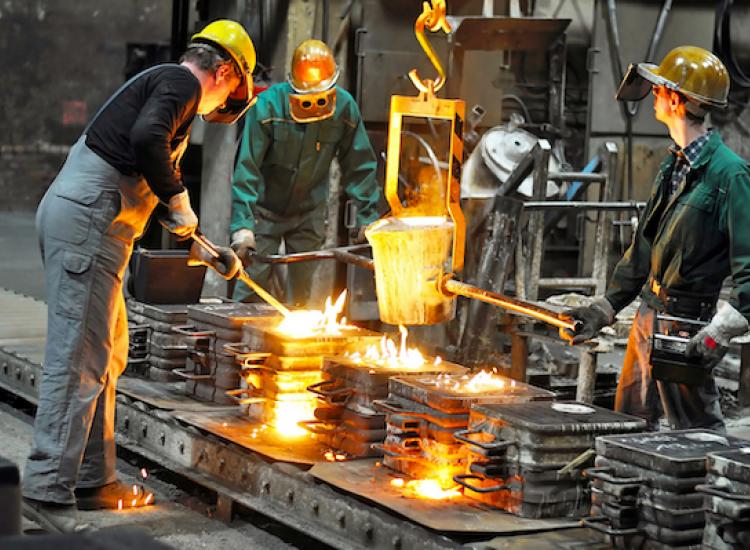
Advanced casting techniques are transforming the landscape of manufacturing in the foundry industry. These technologies make it possible for manufacturers to generate complex shapes with improved precision, decreasing product waste and enhancing general performance. Methods such as investment casting, lost foam casting, and 3D printing are gaining traction, enabling detailed styles that were formerly unattainable.
Advancements in mold-making procedures, consisting of the use of sophisticated materials and computer simulations, have streamlined production timelines. These approaches not only enhance the quality of the final product yet additionally assist in faster prototyping and much shorter lead times.
The integration of these innovative casting techniques sustains sustainability in the foundry sector by lessening power usage and exhausts. As the industry remains to progress, these technologies are establishing brand-new criteria for top quality and efficiency, inevitably bring about higher competition in the international market. This change symbolizes a turning point in the foundry industry, assuring a future of enhanced capabilities and reduced ecological effect.
The Duty of Smart Automation in Foundry Services
As the foundry industry embraces technical innovations, smart automation is playing a crucial role in improving operational efficiency and item top quality. The integration of automated systems, such as robotic arms and AI-driven tracking, enhances processes by decreasing human error and labor prices. These innovations enable accurate control over production specifications, guaranteeing uniformity in product result.
Smart automation helps with real-time information collection and evaluation, allowing for positive maintenance and faster decision-making. By using predictive analytics, foundries can expect devices failures and enhance production schedules, thereby reducing downtime. Furthermore, automation adds to improved safety and security in the work environment by taking over hazardous tasks, allowing knowledgeable workers to concentrate on more complicated procedures.
Lasting Practices in Modern Foundries
The foundry industry is increasingly acknowledging the value of sustainability along with the developments brought by wise automation. Modern factories are embracing environment-friendly techniques that minimize waste and decrease carbon footprints. These campaigns include implementing energy-efficient equipment, utilizing recyclable products, and maximizing manufacturing processes to preserve sources.
Furthermore, several shops are discovering alternate power sources, such as solar and wind power, to further decrease their environmental impact. The assimilation of electronic innovations makes it possible for specific monitoring of source usage, allowing for real-time modifications that advertise sustainability.
Water preservation techniques are being employed, including closed-loop systems that recycle go water made use of in cooling and cleansing procedures. By prioritizing sustainable techniques, foundries not just abide with regulative standards yet additionally boost their one-upmanship in a market significantly focused on ecological duty. This change towards sustainability stands for a substantial development in the foundry industry, lining up operational performance with ecological stewardship.
Enhancing Top Quality Control Through Ingenious Solutions
Ingenious solutions are transforming quality assurance processes within the foundry sector, making sure that items meet rigid standards and specifications. The integration of advanced assessment modern technologies, such as automated aesthetic assessment systems and non-destructive screening methods, has greatly boosted the ability to spot flaws early in the production cycle. These technologies allow real-time monitoring, permitting prompt corrective actions and lowering waste.
Furthermore, joint systems promote communication among quality assurance groups, cultivating a culture of continual enhancement. Therefore, innovative top quality control solutions not just enhance item integrity yet also add to general functional effectiveness, making sure that shops preserve their affordable edge in the market.
Integrating Market 4.0 Technologies in Production Processes
Incorporating Market 4.0 innovations right into making procedures stands for a significant improvement for shops seeking to boost productivity and performance (Aluminum Foundry). These innovations incorporate the Net of Things (IoT), man-made intelligence (AI), and advanced information analytics, enabling real-time surveillance and control of manufacturing systems. By implementing wise pop over to these guys sensors and connected equipment, foundries can optimize operations, decrease downtime, and proactively address maintenance requirements
Additionally, AI-driven analytics enable producers to enhance and anticipate patterns decision-making, resulting in streamlined workflows and minimized waste. Automation of repetitive jobs even more improves operational effectiveness, releasing proficient workers to concentrate on complex analytic.
Frequently Asked Questions
What Are the Key Conveniences of Outsourcing Foundry Services?
Outsourcing foundry services supplies many benefits, consisting of cost financial savings, accessibility to specialized experience, enhanced production capability, minimized preparations, and enhanced adaptability. These benefits enable business to concentrate on core competencies while maximizing operational effectiveness.
How Do Foundry Services Impact General Manufacturing Prices?
Foundry services substantially impact total manufacturing costs by maximizing material use, minimizing labor costs, and enhancing manufacturing rate. These effectiveness result in decrease functional expenses and better earnings margins for makers in competitive markets.
What Industries Advantage Many From Innovative Foundry Services?
Industries such as vehicle, aerospace, and consumer electronic devices greatly profit from ingenious foundry services. These fields utilize advanced techniques to enhance product top quality, reduce lead times, and reduced production costs, consequently boosting general operational efficiency.
How Can Small Manufacturers Gain Access To Advanced Foundry Technologies?
Little suppliers can access advanced foundry innovations via partnerships with bigger factories, leveraging cloud-based systems for design and simulation, and taking part in market collaborations that give sources, understanding sharing, and financial support for innovation adoption.
What Accreditations Should a Trusted Foundry Provider Have?
A trusted foundry provider should have qualifications such as ISO 9001 for quality management, ISO 14001 for environmental management, and industry-specific certifications like AS9100 for aerospace, guaranteeing adherence to high criteria and governing conformity. (Precision aluminum casting)
As the foundry industry welcomes technical advancements, smart automation is playing a vital role in improving functional performance and item top quality. By prioritizing sustainable techniques, shops not only comply with regulatory standards yet also improve their competitive edge in a market significantly concentrated on environmental duty. Integrating Sector 4.0 technologies into producing procedures represents a substantial improvement for foundries looking for to enhance productivity and why not try this out efficiency. Outsourcing foundry services uses various advantages, including price savings, accessibility to specialized knowledge, raised manufacturing ability, minimized lead times, and enhanced adaptability. Foundry services considerably influence total manufacturing prices by optimizing product usage, minimizing labor costs, and improving production rate.