The Duty of Metal Casting ahead of time Manufacturing Technologies
Metal Casting have especially affected the advancement of manufacturing innovations. They use special design adaptability, allowing the production of detailed geometries important for various applications. Modern casting methods are being boosted by technologies like 3D printing and automation. These advancements not just improve performance but likewise address challenges in precision and sustainability. As sectors continue to advance, the role of Metal Casting stays essential in shaping their future. What exists in advance in this dynamic field?
The Advancement of Metal Casting Techniques
As the need for precision and effectiveness in production has actually grown, the development of Metal Casting methods has actually undertaken significant improvement. Historically, Metal Casting started with simple methods such as sand casting and lost-wax spreading, which permitted craftsmens to create intricate forms. Gradually, advancements in modern technology presented procedures like die spreading and financial investment spreading, enhancing precision and decreasing waste. Aluminum Castings. The introduction of computer-aided style (CAD) and simulation software program reinvented the drawing board, making it possible for manufacturers to anticipate potential issues and maximize styles before manufacturing. In addition, the advancement of new products, such as innovative alloys and compounds, has broadened the extent of applications for Metal Casting. Automation and robotics have more polished casting procedures, enhancing uniformity and performance. As a result, the Metal Casting market has adjusted to fulfill the needs of modern production, focusing on sustainability and development to stay affordable in an ever-evolving marketplace
Applications of Metal Casting in Key Industries
The developments in Metal Casting techniques have opened up a broad variety of applications throughout different industries. In the vehicle field, Metal Casting are important for creating engine blocks, transmission real estates, and other crucial elements that require high strength and longevity. The aerospace market makes use of spreadings for detailed components like wind turbine blades and structural parts, guaranteeing light-weight yet robust options for aircraft.
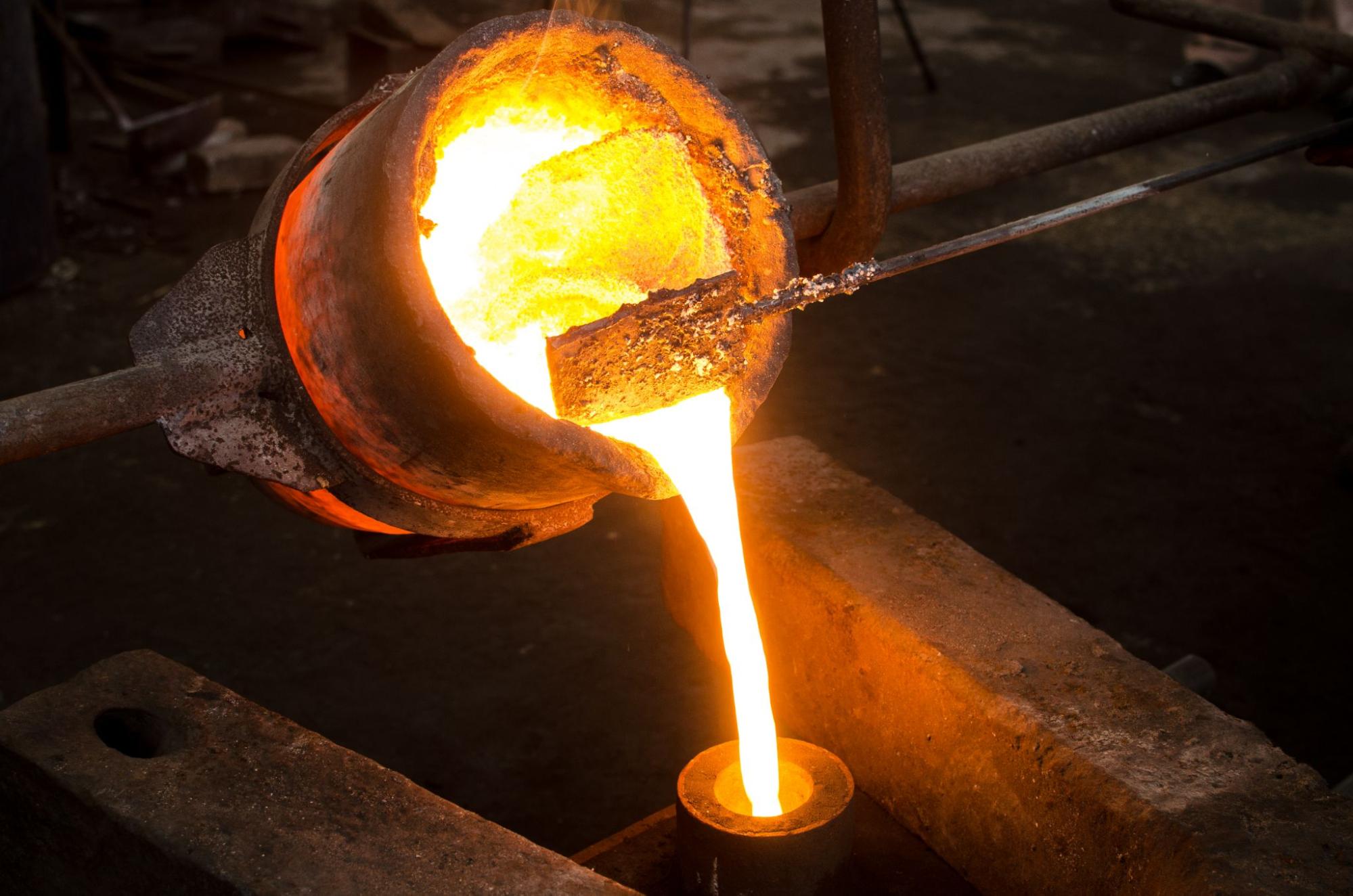
The building market employs Metal Casting for structural aspects such as fittings and light beams, adding to the integrity of structures and facilities. In the energy market, castings play a vital role in producing elements for wind generators and power generation devices, enhancing effectiveness and reliability. On top of that, the medical field gain from precision castings used in medical tools and prosthetics, demonstrating the adaptability of Metal Casting throughout varied applications. This broad usage emphasizes the value of Metal Casting in modern production techniques.
Advantages of Metal Casting in Modern Production
Metal Casting use various benefits that considerably enhance modern-day manufacturing procedures. One crucial advantage is design versatility; Metal Casting permits for the development of complicated shapes and elaborate geometries that are usually difficult or impossible to attain with various other producing methods. This ability enables manufacturers to maximize product designs for functionality and performance.
In addition, Metal Casting can sustain a variety of materials, consisting of steel, aluminum, and iron, which can be customized to fulfill particular mechanical buildings and rust resistance needs.

Cost-effectiveness is one more significant advantage; Metal Casting processes can produce large quantities of components with marginal material waste, consequently lowering production expenses.
The longevity of cast metal parts contributes to the longevity of items, decreasing the demand for regular replacements. On the whole, the benefits of Metal Casting considerably add to effectiveness, sustainability, and advancement within modern-day production atmospheres.
Innovations Driving the Future of Metal Casting
While typical Metal Casting methods have actually served the sector well for decades, current developments are positioned to transform the area. Advancements such as 3D printing modern technology enable for quick prototyping and the manufacturing of complicated geometries that were formerly unattainable. These innovations not just boost style adaptability but additionally decrease waste and reduce lead times. On top of that, the assimilation of automation and robotics in casting procedures is streamlining operations, boosting accuracy, and boosting employee safety. The development of new alloys and composite materials is making it possible for the creation of more powerful, lighter spreadings customized for specific applications. Digital technologies, consisting of expert system and device discovering, are optimizing spreading specifications and anticipating upkeep, driving better quality this post assurance. Collectively, these advancements are pressing the borders of Metal Casting, fostering better effectiveness and sustainability in manufacturing, and placing the industry for future growth and competitiveness.
Challenges and Solutions in Metal Casting Processes
As improvements in Metal Casting modern technology proceed to improve the sector, various challenges stay that suppliers must address to completely take advantage of these developments. One substantial concern is the variability in product homes, which can result in inconsistent quality and efficiency. This variability typically results from fluctuations in basic materials and handling conditions. Additionally, the rising expenses of power and products position economic constraints, pushing producers to look for extra effective processes.
To battle these difficulties, business are increasingly taking on automated systems and advanced simulation methods to boost accuracy and consistency. Applying high quality control measures throughout the production process additionally helps in discovering flaws early. In addition, buying research study for alternative products may lower costs and enhance sustainability. By attending to these challenges with ingenious remedies, the Metal Casting industry can improve performance and maintain competitiveness in the developing manufacturing landscape.
Often Asked Concerns
What Products Are Typically Utilized in Metal Casting Processes?
Usual products used in Metal Casting processes include light weight aluminum, magnesium, bronze, and iron. Each material has one-of-a-kind residential or commercial properties that satisfy various applications, boosting the flexibility and performance of the last actors items in various industries.
How Do Environmental Regulations Impact Metal Casting Procedures?
Ecological policies oblige Metal Casting procedures to embrace cleaner techniques and technologies, frequently enhancing production costs. Compliance may lead to innovative processes that reduce waste and emissions, inevitably advertising sustainability within the Metal Casting sector.
What Are the Safety And Security Actions in Metal Casting Facilities?
Safety and security procedures in Metal Casting centers include proper ventilation, individual protective equipment, normal safety and security training, equipment maintenance, and adherence to security policies, ensuring a safe environment for workers while reducing dangers connected with unsafe products and processes.
Just How Is Top quality Controlled in the Metal Casting Refine?
Quality assurance in Metal Casting includes extensive examinations, consisting of visual analyses, dimensional checks, and material testing. Adherence to market standards and applying top quality monitoring systems assures that spreadings fulfill specific needs throughout the production procedure.
What Is the Future Work Expectation for Metal Casting Professionals?
The future work outlook for Metal Casting professionals appears promising, driven by developments in technology and increasing demand across numerous industries (Wisconsin Aluminum see it here Foundry). Growth in automation and sustainable practices will likely produce new chances in this industry
Historically, Metal Casting started with simple methods such as check over here sand casting and lost-wax casting, which enabled craftsmens to produce complex forms. Over time, innovations in innovation introduced procedures like die casting and investment spreading, improving precision and reducing waste. In addition, the clinical area benefits from accuracy spreadings made use of in medical tools and prosthetics, demonstrating the adaptability of Metal Casting across diverse applications. Metal Casting provide various advantages that significantly enhance modern production procedures. Typical materials used in Metal Casting procedures consist of aluminum, iron, magnesium, and bronze.